








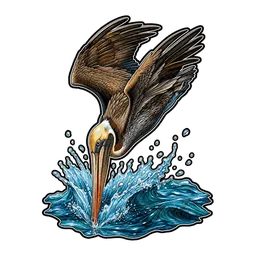
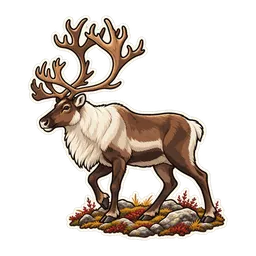
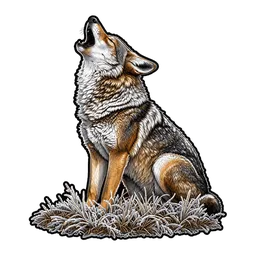

A real-world nature collection
Everything alive, collected.
Photograph what you find. Biotadex names it, tells you about it, and files it in a field guide that scores you against everyone else who went outside today.
How a walk works
Point. Name. Keep.
- Scan anything alive. The camera has a scanner, zoom, burst and crop, because a bird will not wait.
- Check the name. You see the top match beside a reference photo, the confidence, and the alternatives. Pick the right one, or get closer and scan again. Groups are refused: Lizards is not a species.
- Bank it. A tap adds the species to your field guide, with the photo, the place and the time. Each species counts once.
- Hear about it, if you like. Up to three did you know facts come with every find. Tap Listen and the app reads them aloud, in English or Spanish. It stays quiet unless you ask, so it will not spook the bird.
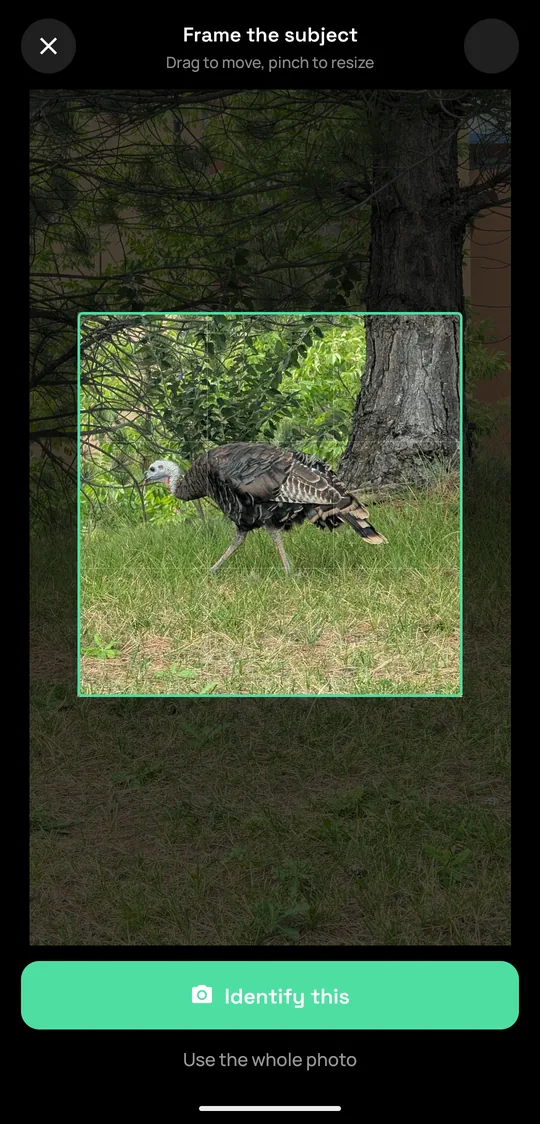
Frame the subject, then identify it. 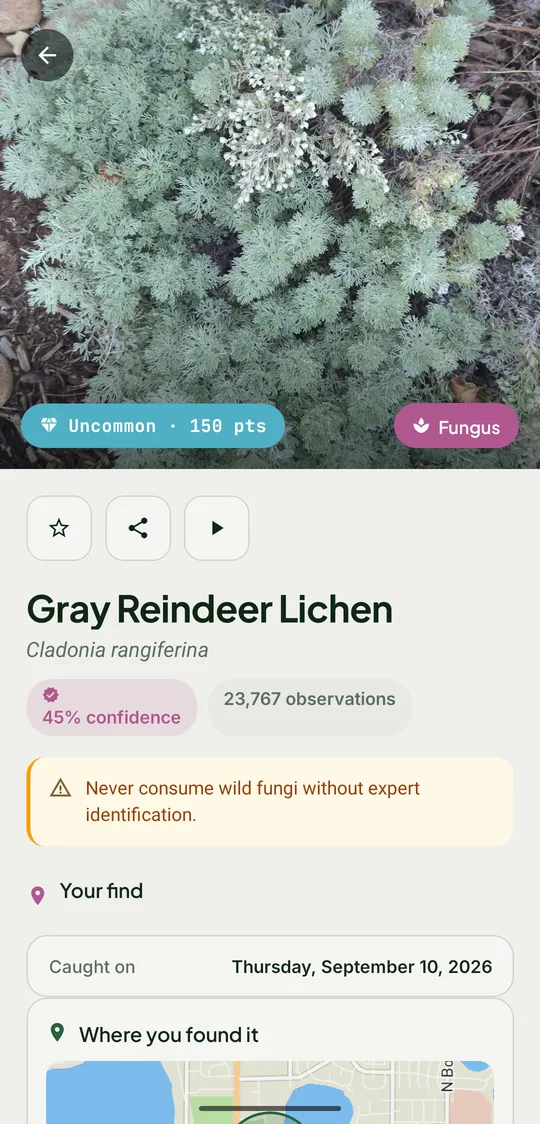
Named, scored, checked against a reference photo. 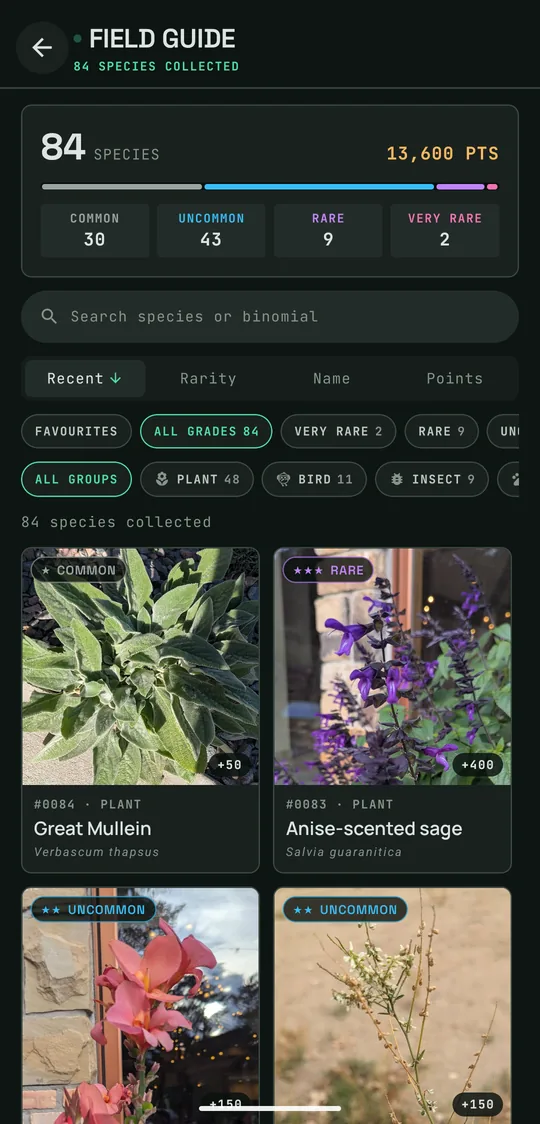
The field guide: every species you have caught.
It talks, when you ask
Tap Listen, and the find is read to you.
Every find comes with up to three short facts pulled from the species' own record, free for everyone. Tap Listen and a voice tells you what you found, what kind of thing it is and how rare, then reads the facts. It is written for the ear, not the screen, and it follows your language: Spanish finds are read in Spanish by a Spanish voice, with the facts fetched from Spanish sources.
Score
Rarity pays. Steeply.
Every species is scored by how often it is observed in the wild. The scale is steep on purpose: one rare find outweighs a long run of common ones, so the game rewards looking harder rather than scanning more.
When the scanner is 85% sure or better you are paid in full. Between 65% and 85% you are paid a share that matches the confidence, and that is final. Below 65% you are paid a share now and other collectors vote on the rest: 3 confirmations release it with a 25-point bonus, 3 flags reverse it. A photo the scanner is 40% sure of or less is turned away, and it does not use a scan.
| Rarity | Points | |
|---|---|---|
| Common | 50 | Most of what you will meet |
| Uncommon | 150 | Worth stopping for |
| Rare | 400 | Worth the walk |
| Very rare | 1,000 | Give it space |
Moments
Conditions you have to be out in.
Nature is already time-sensitive, so the urgency is real rather than invented. Each moment is a window, worked out from the sun, the weather and the tide where you are, and every species caught inside it scores a multiple of its normal points. Only the highest multiplier counts; they never stack. Each moment is also a set of stickers, earned by catching its species while it is open.
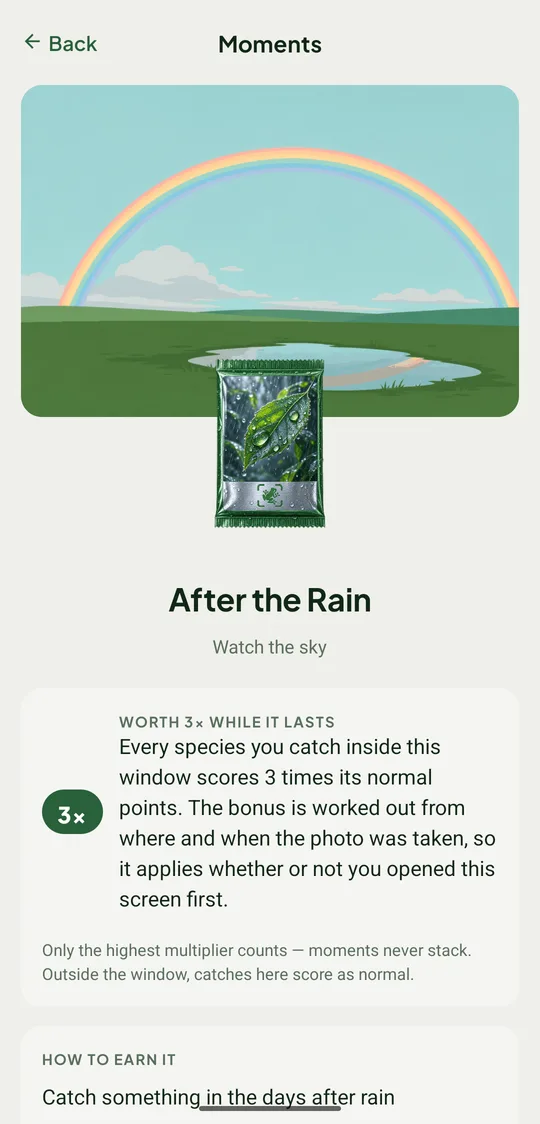
A moment’s own page: what it pays, and how to earn it.
-
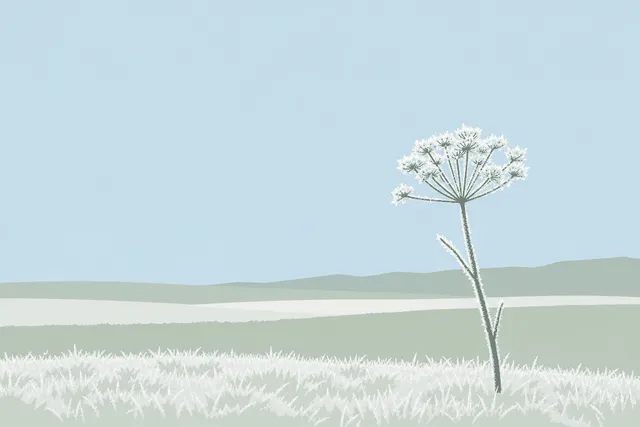 First frost
4× points
The first morning the ground is white
First frost
4× points
The first morning the ground is white
-
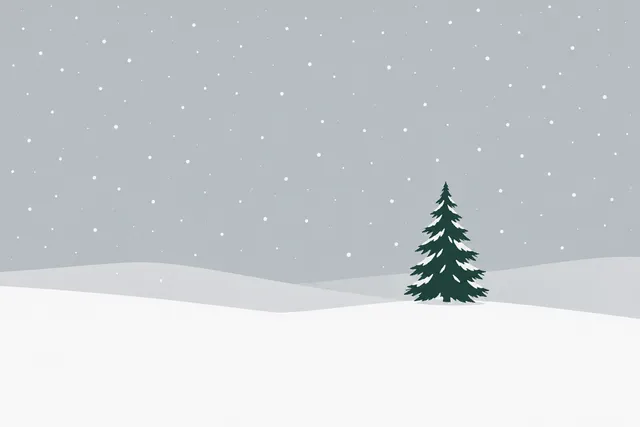 First snow
4× points
The first snowfall of the year
First snow
4× points
The first snowfall of the year
-
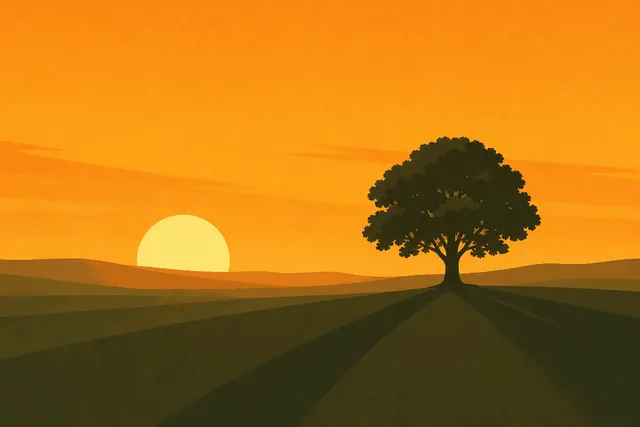 Golden hour
3× points
The hour either side of sunset
Golden hour
3× points
The hour either side of sunset
-
 First light
3× points
The hour either side of sunrise
First light
3× points
The hour either side of sunrise
-
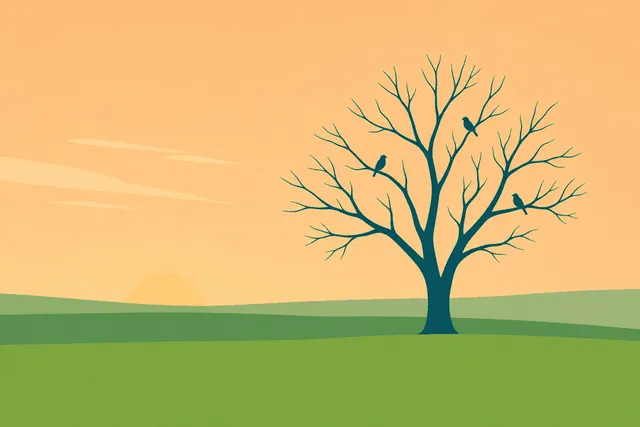 Dawn chorus
3× points
When the birds start
Dawn chorus
3× points
When the birds start
-
 After the rain
3× points
Snails, salamanders and fungi come out
After the rain
3× points
Snails, salamanders and fungi come out
-
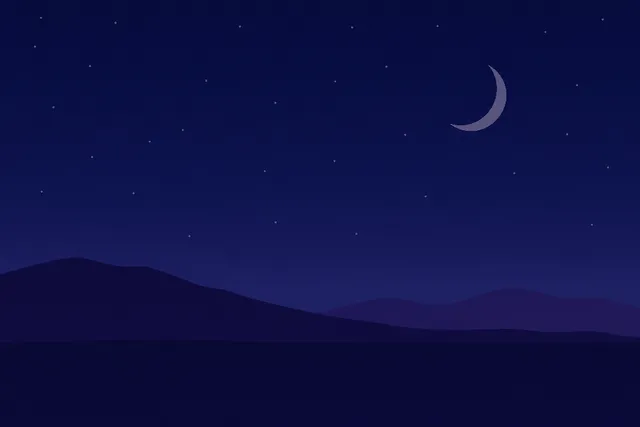 Night shift
2× points
Full dark
Night shift
2× points
Full dark
-
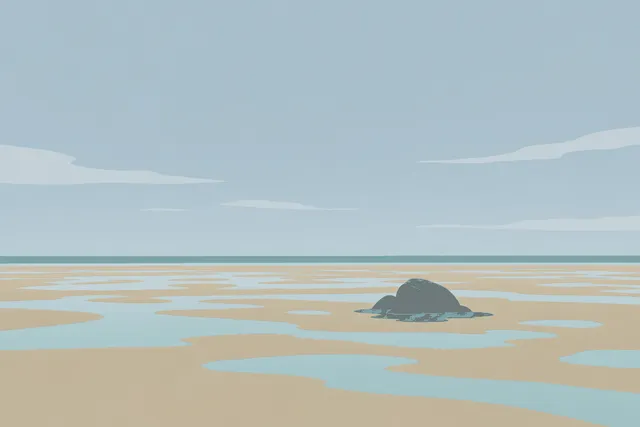 Low tide
2× points
The shore, uncovered
Low tide
2× points
The shore, uncovered
-
 King tide
2× points
The highest water of the year
King tide
2× points
The highest water of the year
-
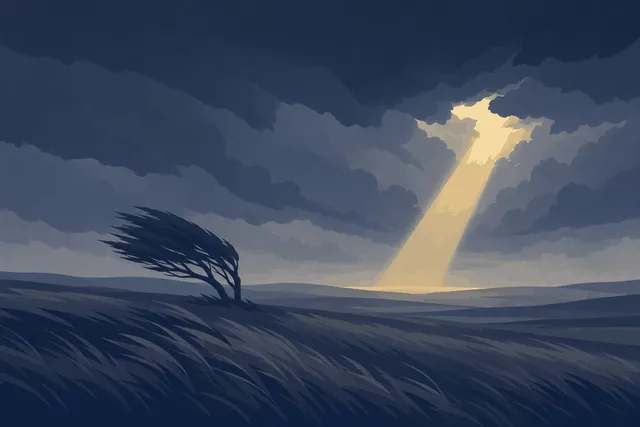 Storm light
a set to finish
Kept for the set. Pays nothing extra, on purpose
Storm light
a set to finish
Kept for the set. Pays nothing extra, on purpose
-
 Bloom
a set to finish
Spring
Bloom
a set to finish
Spring
-
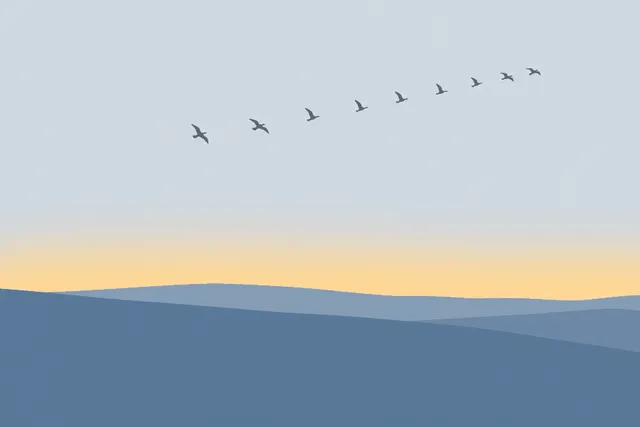 Migration
a set to finish
Things passing through
Migration
a set to finish
Things passing through
-
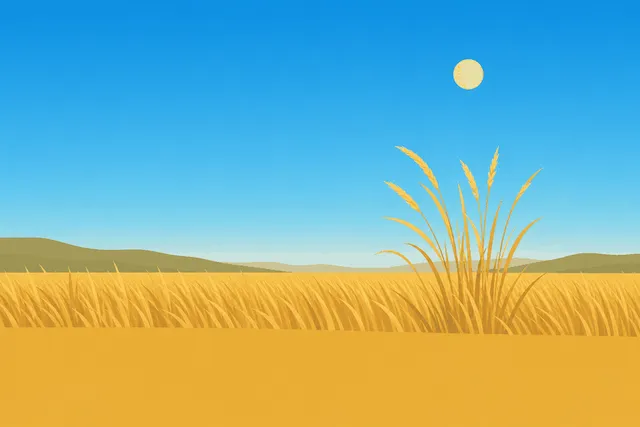 High summer
a set to finish
The long days
High summer
a set to finish
The long days
-
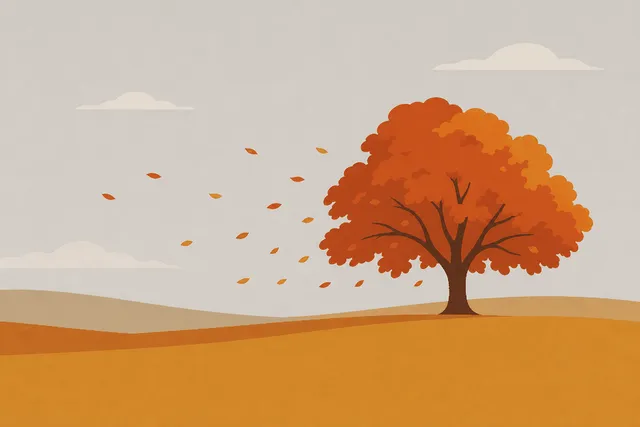 Leaf fall
a set to finish
Autumn
Leaf fall
a set to finish
Autumn
-
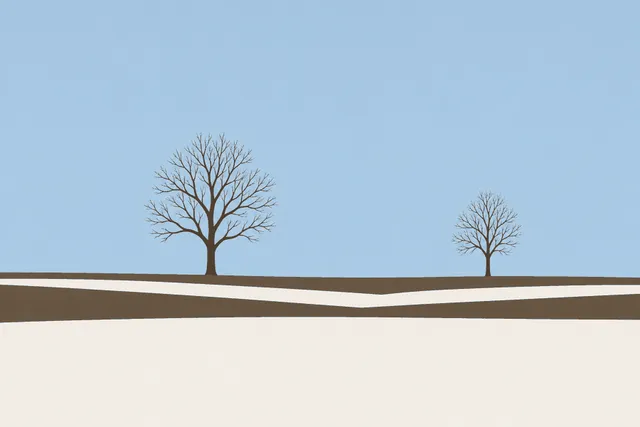 Deep winter
a set to finish
The cold months
Deep winter
a set to finish
The cold months
Ranks and rankings
Two ladders, on purpose.
Rank is how far along you are, by distinct species. It climbs at the same rate for someone photographing lichens on a wall at lunch as for someone at a national park, and it sits on your avatar wherever you appear. Twenty named ranks run to 50,000 confirmed species, and past that the ladder keeps going: Worldkeeper II, III and on, one for every 5,000 more. There is no top.
The leaderboard is ordered by total points, global and among friends, so rarity, verified finds, moments and everything else count.
- Seedlingeveryone starts here
- Wanderer5 species
- Tracker15 species
- Pathfinder30 species
- Trailblazer50 species
- Steward100 species
- Lorekeeper250 species
- Sage500 species
- Luminary1,000 species
- Atlas2,500 species
- Legend5,000 species
- Living Legend10,000 species
- Oracle15,000 species
- Archivist20,000 species
- Keystone25,000 species
- Evergreen30,000 species
- Heartwood35,000 species
- Myriad40,000 species
- Starwatcher45,000 species
- Worldkeeper50,000 species
Progress
Always something half done.
- Challenges run daily, weekly and monthly. There is nothing to join: anything you photograph counts toward every challenge it fits, and finishing one pays points and often a sticker.
- Milestones are the long goals: your hundredth species, a crew of friends, fifty finds liked. They tick along while you play, and you claim the reward when you are ready.
- Badges level up by family. Every bird moves Bird Watcher, every mushroom moves Mycologist, from bronze through silver and beyond.
- Your profile puts it all in one place: field guide, sticker book, milestones, badges, places and challenges, each showing where you stand.
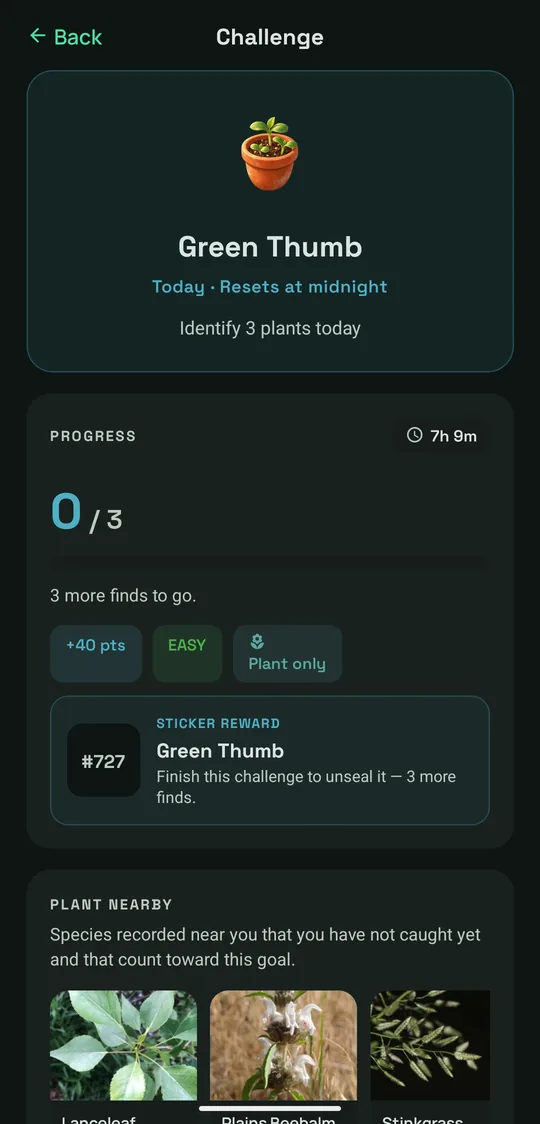
A daily challenge, and what near you counts toward it. 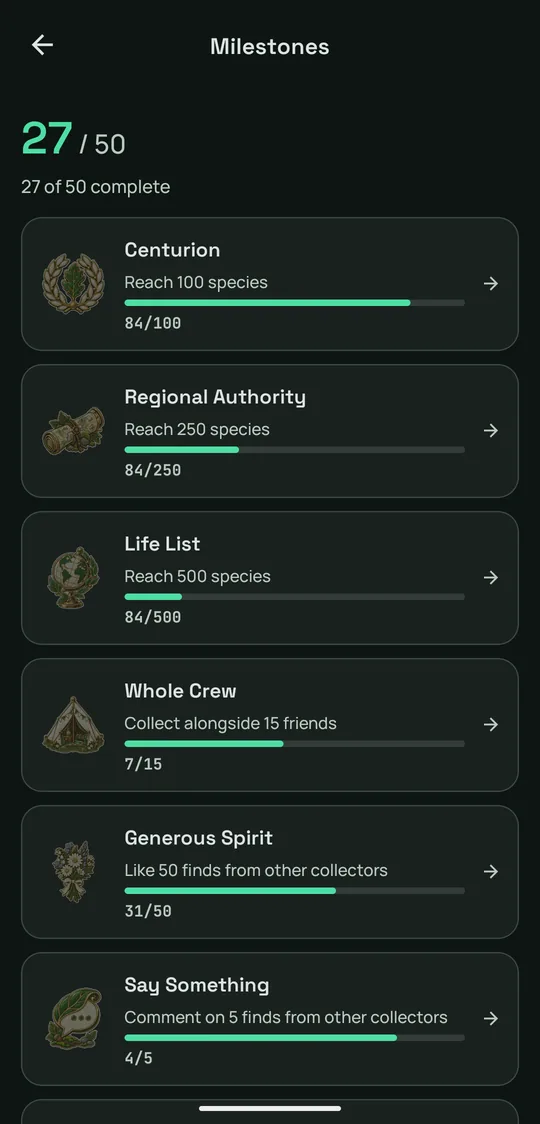
Milestones: the long goals. 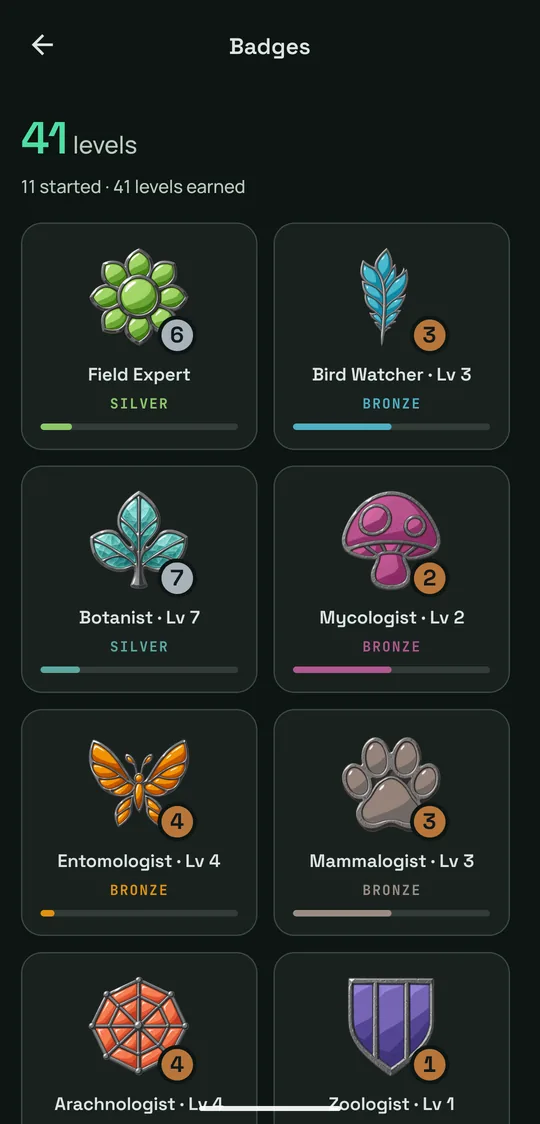
Badges level up by family.
Validate
Other people check your work.
Finds that come in under 65% go to other collectors. Each day you are dealt 3 of them, with the finder's name left off, and asked whether the ID looks right. Every call earns you 10 points. People who already collect that group, and people who collect nearby, are asked first. 3 votes settle a find, and your own finds never reach you.
And then
The rest of the world.
 Stickers
A sticker album that trades
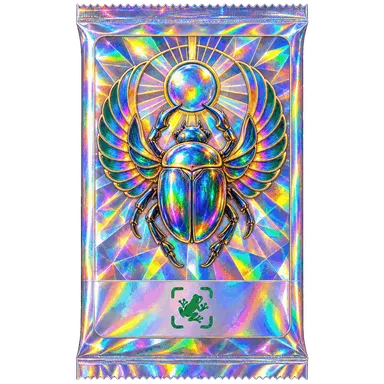
Fourteen packs, fixed print runs, public circulation, and a trade board anyone can offer on.
Read how it works
Stickers
A sticker album that trades
Fourteen packs, fixed print runs, public circulation, and a trade board anyone can offer on.
Read how it works
 Sanctuaries
Hold the parks near you
Pro members claim real parks by documenting what lives there. A held park pays points every day, until someone with better finds takes it.
Read how it works
Sanctuaries
Hold the parks near you
Pro members claim real parks by documenting what lives there. A held park pays points every day, until someone with better finds takes it.
Read how it works
 Postcards
Cards you can only make there
Viewpoints, peaks, waterfalls, lighthouses. Stand at one, photograph it, send it to a friend.
Read how it works
Postcards
Cards you can only make there
Viewpoints, peaks, waterfalls, lighthouses. Stand at one, photograph it, send it to a friend.
Read how it works
 Crates & items
A walk worth taking
Crates on real footpaths, better the further you walk. Stickers, point caches and scans come out. Never sold.
Read how it works
Crates & items
A walk worth taking
Crates on real footpaths, better the further you walk. Stickers, point caches and scans come out. Never sold.
Read how it works
Free and Pro
Free to play.
10 identification scans a week, spent however you like; a long walk can use them all in one go. Your field guide, the map, validating, trading, gifting, postcards and challenges are all free, and you can open three to five crates a day, more as you play. Run out mid-walk and you can top up scans from $0.99, or invite a friend and you both get five.
Unlimited scans. Ten slots in every crate instead of five, and more crates opened each day. Sanctuaries you can claim and hold. Very rare species shown on your map. Events you can host. Nothing you have earned goes away if it lapses.
Go outside.
Biotadex is in field testing now and coming to iOS and Android. Exact locations of finds are never published: every one is snapped to roughly a square kilometre before it is drawn anywhere.
Questions: support@biotadex.app