

For schools · coming soon
The playground is a habitat.
We are building a classroom edition of Biotadex for school districts: the same camera, the same names, the same voice reading the facts, on the tablets your classrooms already have, with everything a school cannot ship left out.

In the classroom
Same walk, different rules.
- A teacher makes a class. Name it, pick a grade band, and get a class code. No student accounts, no student emails, no passwords for a nine-year-old to remember.
- Tablets join with the code. A shared device from the cart works as well as a one-to-one one. Each student picks their name from the class list at the start of a session.
- Go outside. The playground fence, the strip of trees behind the gym, the park across the road, the field trip. Scan what is alive, hear what it is, keep it.
- The class builds one collection. Every find goes on the class wall with who found it. The teacher confirms names, and the whole class sees its species count climb over a year.
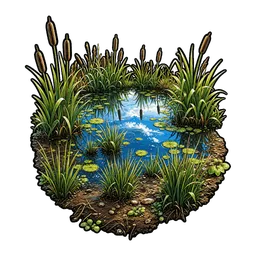
Fifteen minutes at recess. Ants, dandelions, a sparrow. Enough for a lesson on what lives where nobody looks.
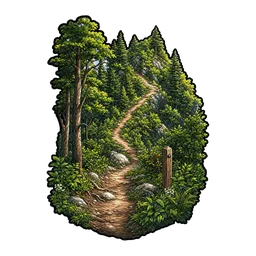
A walking-distance outing with a species target: find ten things alive before lunch. The class collection is the worksheet.
A nature centre, a reserve, the coast. Every find is tagged with the outing, so the day comes home as a list the class made together.
The same playground in October and April is two different places. A class that scans both has seen a season change, in its own data.
For the teacher
The class wall is the record.
Every find in one place, by student, by outing, by kingdom. Confirm or correct a name in one tap, and the correction becomes the teaching moment rather than a stranger's vote. Print a field sheet before an outing and a species list after it.
Facts read aloud in English and Spanish, with the written fact cards included for every class. There is no Pro tier in the school edition, so nothing is held back.
Lesson alignment to life-science standards is in progress; tell us in the form which standards your district works to and we will start there.
- One class, one collection. Shared progress, individual credit.
- Teacher-confirmed names. The class learns from corrections, not from a queue of strangers.
- Outings, not coordinates. A find is filed under Field trip, 14 May, never under a map pin.
- Field sheets. A printable target list for the outing and a species list afterwards.
- Works on the tablet cart. Shared devices, no sign-in, session per student.
Privacy and children’s safety
What ships, and what does not.
Biotadex is a social game for people thirteen and over. A school edition for younger students cannot be that game with a coat of paint. Most of what makes the consumer app social is what a school edition must not have. This is the list, feature by feature. It is written as a commitment: if a row here changes, this page changes first.
| Feature | In Biotadex | In the school edition |
|---|---|---|
| Accounts | Personal accounts with email or social sign-in | No student accounts. A teacher creates a class; students join a device with a class code and a first name or nickname the teacher chooses. |
| Who sees a find | Everyone: a public feed, public profiles, comments, likes | The class, and the teacher. Nothing a student makes is visible outside their class, and nothing is public. |
| Location | Finds are tagged with GPS and drawn on a shared map | Finds are tagged only with the class outing they were made on. No coordinates are stored, no map of other people, nothing to show where a child was. |
| Friends and messages | Friend requests, gifting, invite links | Not in the school edition |
| Leaderboard | Global and friends rankings by points | A class board the teacher can turn off. No ranking against anyone outside the room. |
| Validation | Strangers vote on uncertain identifications | The teacher confirms or corrects. Uncertain finds are a lesson, not a poll. |
| Crates, items, trading | Loot crates on the map, an inventory, sticker trades | Not in the school edition |
| Purchases | Pro subscription, scan packs | Not in the school edition |
| Notifications | Push notifications about rare species and social activity | Not in the school edition |
| Voice | Facts read aloud after a find | Kept. It is the best part for a class, and it works with the tablet on the table. |
| Stickers | Earned by finding things; found in crates; traded | Earned only. First bird, first fungus, ten species on one outing. Nothing to buy, nothing to trade. |
| Data | Retained while the account exists | Owned by the district. Exported or deleted at the end of the year, or on request, and never used to train models or sold to anyone. |
Districts consent on behalf of their students under a data agreement, the way they do for other classroom software. No child is ever asked for an email address, a photo of themselves, or their location.
Photographs of finds are stored without location metadata and are visible only to the class and teacher. Students are asked to photograph the living thing, not each other, and the teacher can remove any photo.
No advertising, no trackers, no analytics vendors. Species identification runs on images of plants and animals, which is all the identifier ever receives.
The district owns the class data. It can be exported as a plain file and deleted: at the end of the year, at the end of a contract, or whenever asked. Deletion is deletion, not deactivation.
The school edition is being designed to support districts’ obligations under COPPA and FERPA and equivalent rules elsewhere. Our written data agreement, privacy policy for the school edition and security documentation will be published here before the first classroom uses it. Ask for the drafts in the form below.
Inquiry
Tell us about your district.
We are talking to a small number of districts before the first classroom release. Tell us what you would use it for and we will reply from contact@biotadex.app.